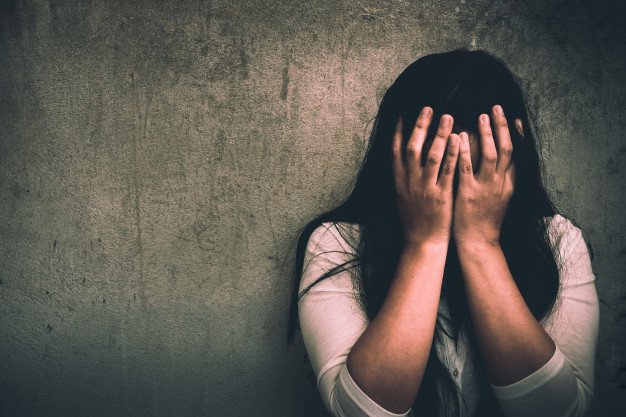
Image from https://www.redmangoanalytics.com/blog/2020/05/women-safety-in-india/
India, a land where women are worshipped in more form than one.
India, a land where we call our country our ‘Matribhoomi’(motherland).
India, a land where Goddess Durga, Lakshmi and Saraswati are embodiment of power, wealth and knowledge.
India, a land where sagas of independent women have been sung since centuries.
That India is facing a big crisis; a crisis because the question “Why are women and girls in India not safe?” is still unanswered. Whether it’s in the womb or outside it; Whether it’s day or night; Whether it’s a three-year-old or a 70-year-old; whether she is clad in a saree or a bikini or a diaper; they are violated in more ways than possible.
India, a land of vibrant colours, ancient traditions, and a burgeoning economy, is grappling with a dark underbelly: the safety of its women and girls. The question, “Are women and girls in India safe?” is a complex one, with a multitude of factors contributing to the answer.
A Nation of Gentlemen… or Not?
India has long prided itself on its chivalrous traditions, where men are expected to respect and protect women. However, the reality paints a different picture. From the daily harassment faced by women on public transport to the horrifying cases of sexual assault and violence, it seems the concept of chivalry has taken a backseat in many parts of the country. Long forgotten or maybe never learnt that chivalry is actually about giving respect and valuing a woman, rather than owning them.
The Great Indian “Eve-Teasing” Epidemic
One of India’s most unique exports to the world is the art of “eve-teasing.” This delightful pastime involves men catcalling, whistling, and making lewd comments at women, often in public places. And it’s not just women, even a 9-year-old doesn’t get spared, leaving her confused and uncomfortable. Let me not even get started on the phycological effects it has on that developing brilliant mind. It’s a national sport, enjoyed by men of all ages and social backgrounds. Some might argue that it’s a harmless form of flirting, but for women, it’s a constant source of annoyance, fear, and sometimes even danger.
How often do we dress up for going out and a thought crosses our mind- ‘Is this outfit going to get us in trouble?”
The “Nirbhaya” Effect: A Temporary Band-Aid?
Following the brutal gang rape and murder of a young medical student in Delhi in 2012, known as the “Nirbhaya” case, there was a nationwide outcry and a demand for stricter laws to protect women. The government responded with several measures, including tougher penalties for sexual offenders and the establishment of fast-track courts. However, the question remains: have these measures been effective in creating a lasting change? The recent case with Bangalore based doctor; the Calcutta rape and murder case; the 3 year old rape and murder… The list is endless and horrifying. Not a day passes when such an incident is not part of the newspaper. This answers the last question quite well!
The Blame Game: Who’s to Blame?
When it comes to the safety of women in India, everyone seems to have an opinion. Some blame the victims for dressing inappropriately or venturing out alone at night. Others point fingers at the police for their inefficiency in handling cases of sexual violence. Still others argue that it’s a cultural problem, rooted in deep-seated patriarchal attitudes and traditions.
My question-“Was the 3 year old inappropriately dressed or was it the doctor finishing her shift in hospital dress to attract that behaviour, or was it the mother who instigate her inebriated son to cross the line ?’ Are men going to decide the clothes we wear and what is decent and what is not? We all know the answer.
The “Sanskari” Woman: A Myth or a Reality?
The concept of the “sanskari” woman, a virtuous and obedient woman who upholds traditional values, is often used to justify restrictions on women’s freedom and autonomy. It’s as if women are expected to sacrifice their individuality and safety for the sake of preserving societal honor. The “sanskari” woman, it seems, is more of a burden than a blessing.
A Call for Action… or Just More Talk?
The safety of women and girls in India requires a multifaceted solution. It’s not just about stricter laws and faster trials; it’s about changing deep-rooted societal attitudes and empowering women to demand their rights. It’s about creating a culture where women are respected, valued, and treated as equals and not as second-class citizens.
Until then, women in India will continue to navigate the treacherous landscape of everyday life, hoping against hope that they won’t become the next victim of violence. And as for the question, “Are women/girls in India safe?” the answer, unfortunately, is still a resounding no.
This article was an effort to express how vulnerable and frustrated i feel regarding this issue. I am sure a lot of you feel the same.
love,
Divya.
Follow us on our Instagram handle:
https://www.instagram.com/divya_singh_v
you might like some of these articles too: